


2026 Honda EV Ownership and Selection Guide at Performance Honda Bountiful
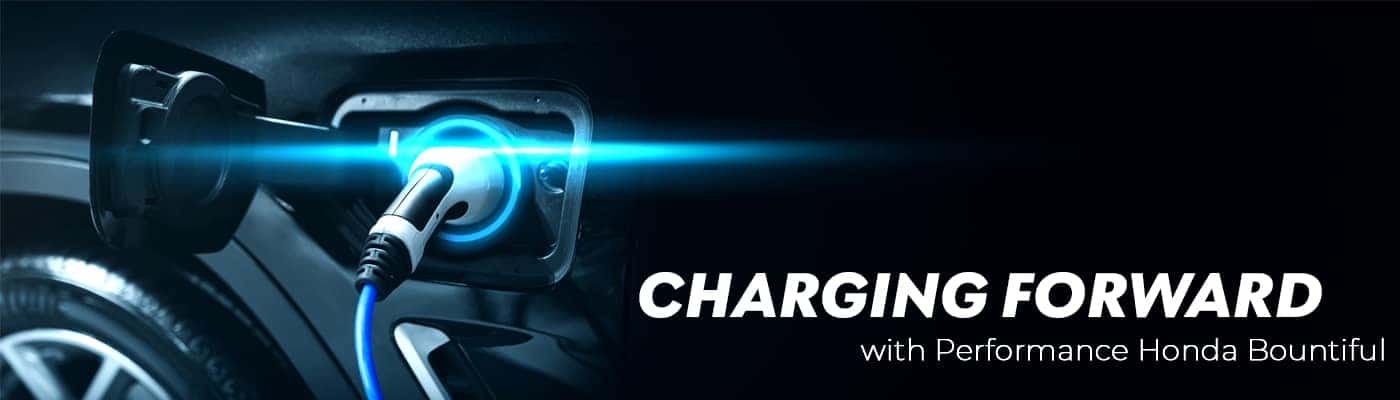
Deciding to transition to an electric vehicle (EV) is an exciting milestone. However, it often comes with a variety of questions regarding charging infrastructure, battery longevity, and daily usability. Choosing the right vehicle involves more than just picking a color and a trim level; it requires an understanding of how the car fits into your home life and your travel habits. This guide is designed to provide you with the essential “know-how” for owning and selecting the ideal electrified vehicle at Performance Honda Bountiful.
At Performance Honda Bountiful, we help you select the right Honda EV or plug-in model, set up home charging, and follow best practices for battery health so your transition is rewarding.
Selecting the Right Electrified Model for You
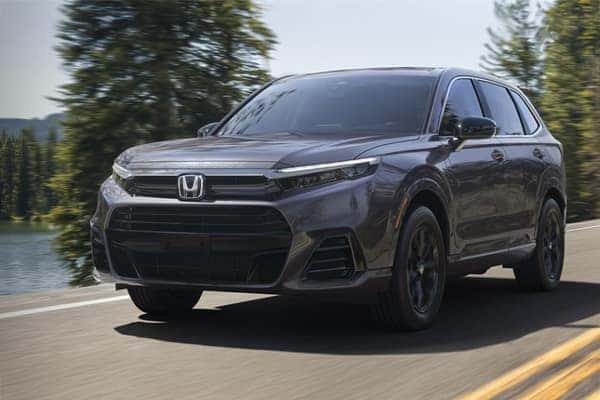
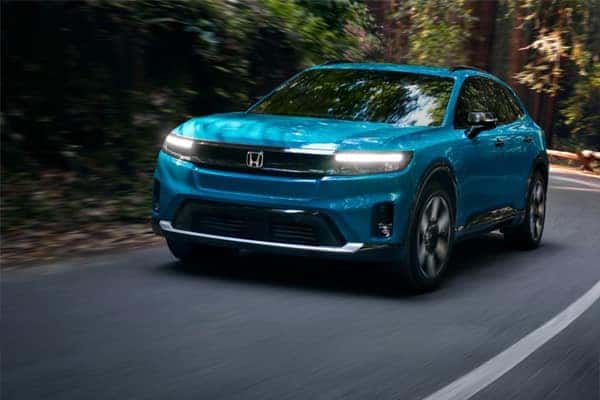
The first step in your journey is determining which type of electrified vehicle suits your needs. Honda currently offers three primary paths toward electrification: Hybrid (HEV), Plug-In Hybrid/Fuel Cell (PHEV/FCEV), and Battery Electric (BEV). If you frequently drive long distances and do not want to worry about charging stops, a standard hybrid like the Civic or Accord Hybrid is an excellent choice. However, if you have a short daily commute and can charge at home, a Full EV or a Plug-In model offers significantly greater savings. The 2026 Honda Prologue is perfect for those who want to eliminate gas entirely, while the CR-V e:FCEV offers a unique bridge for those who want electric driving for daily errands but the rapid refueling of hydrogen for longer journeys. Consider your access to charging and your typical weekend mileage before making your final decision.
Understanding the Three Levels of Charging
Charging is the most common concern for new EV owners. Fortunately, charging technology has become standardized and remarkably easy to use. Level 1 charging uses a standard 120-volt household outlet—every 2026 Honda Prologue comes with a portable charging kit. It is the slowest form of charging (about three to five miles of range per hour), ideal for overnight top-offs if your commute is very short. Level 2 charging uses a 240-volt circuit (like a clothes dryer)—the gold standard for home ownership. A Level 2 station can fully charge a Honda Prologue from empty in about eight to ten hours, so you wake up with a “full tank” every morning. Performance Honda Bountiful offers Charging Packages that can include a home charging station and incentives for installation. Level 3 (DC Fast Charging) is intended for long-distance travel—a 2026 Honda Prologue can add approximately 65 miles of range in just 10 minutes at a high-speed DC charger; use DC fast charging only when necessary to help preserve long-term battery health.
Setting Up Your Home Charging Station
Preparing your home for an EV is simpler than many people realize. If you own your home, have a licensed electrician install a dedicated 240-volt circuit in your garage or near your driveway. Honda has simplified this process through the Honda Home Electrification (HHE) program—an online platform that connects you with local, vetted installers and helps you select the right charging hardware for your 2026 model. Many utility companies in Utah offer rebates or special time-of-use rates; by charging during “off-peak” hours (typically in the middle of the night), you can fuel your car for a fraction of the cost of gasoline.
- HEV vs. BEV vs. FCEV: Consider daily mileage and charging access.
- Level 2 home: 8–10 hours full charge; HHE program; Utah rebates.
- Level 3: ~65 miles in 10 min; use for road trips only.
Battery Protection and Longevity Know-How
Modern lithium-ion batteries are designed to last for the life of the vehicle. However, following a few simple guidelines can ensure that your battery remains at peak capacity for as long as possible.
The 20% to 80% Rule
For daily driving, keep your battery charge between 20% and 80%. Lithium-ion batteries are under the least amount of stress when they are in this mid-range. While it is perfectly fine to charge to 100% before a long road trip, avoid leaving the car sitting at 100% or below 10% for extended periods. Most Honda EVs allow you to set a “charging limit” through the infotainment screen or the HondaLink app, which will automatically stop the charging process once it hits your desired level.
Managing Temperature Extremes
Extreme heat and cold can temporarily affect your battery’s performance and range. In the cold Utah winters, you might notice a slight decrease in range because the battery requires more energy to stay warm. To combat this, we recommend “pre-conditioning” your vehicle while it is still plugged into the charger. Using the HondaLink app, you can warm up the cabin and the battery using power from the grid rather than the battery itself. Similarly, in the heat of summer, parking in the shade or a garage helps the battery cooling system work more efficiently.
- 20–80% rule: Set charging limit via infotainment or HondaLink.
- Pre-conditioning: Warm cabin and battery while plugged in (Utah winters).
- Park in shade/garage: Helps cooling in summer.
Frequently Asked Question
How do I set up home charging for my Honda EV?
Performance Honda Bountiful recommends a Level 2 (240-volt) home charging station for the best ownership experience. Have a licensed electrician install a dedicated 240-volt circuit in your garage or near your driveway. Honda has simplified the process through the Honda Home Electrification (HHE) program—an online platform that connects you with local, vetted installers and helps you select the right charging hardware for your 2026 Honda Prologue or other electrified model. A Level 2 station can fully charge a Honda Prologue from empty in about eight to ten hours, so you wake up with a “full tank” every morning. Many utility companies in Utah offer rebates or special time-of-use rates for EV owners who charge during off-peak hours. Our team can walk you through Charging Packages and installation incentives.
Safety and Technology in Honda EVs
Safety is built into the very structure of Honda’s electric vehicles. The battery packs are encased in high-strength steel frames that are integrated into the vehicle’s chassis. This not only protects the battery in the event of a collision but also lowers the center of gravity, which improves handling and reduces the risk of a rollover. Additionally, the HondaLink App provides you with a direct connection to your vehicle’s health—you can monitor the state of charge, find nearby charging stations, and even receive alerts if the charging process is interrupted. This level of connectivity ensures that you are never left guessing about your vehicle’s status, providing ultimate peace of mind.
Summary of Selecting and Owning Your EV
Transitioning to an EV is a rewarding experience that pays dividends in both fuel savings and driving enjoyment. By selecting the model that fits your mileage needs, installing a Level 2 home charger, and following simple battery health practices (20–80% rule, preconditioning in winter, parking in shade in summer), you can enjoy the many benefits of the 2026 Honda electrified lineup with complete confidence.
Why Choose Performance Honda Bountiful for Your EV?
At Performance Honda Bountiful, we are more than just a dealership; we are your partners in this transition. Our experts are ready to walk you through every step of the process, from the initial test drive to the final home charger installation. We help you select the right Honda EV or plug-in model for your Utah driving habits, set up home charging through the HHE program, and follow best practices for battery health so your transition to electric is rewarding.
Visit Performance Honda Bountiful Today
Contact Performance Honda Bountiful today to schedule a test drive or explore our 2026 Honda electrified inventory!
Explore our entire inventory at our website: https://www.performancehondabountiful.com/new-vehicles/
0 comment(s) so far on 2026 Honda EV Ownership and Selection Guide at Performance Honda Bountiful